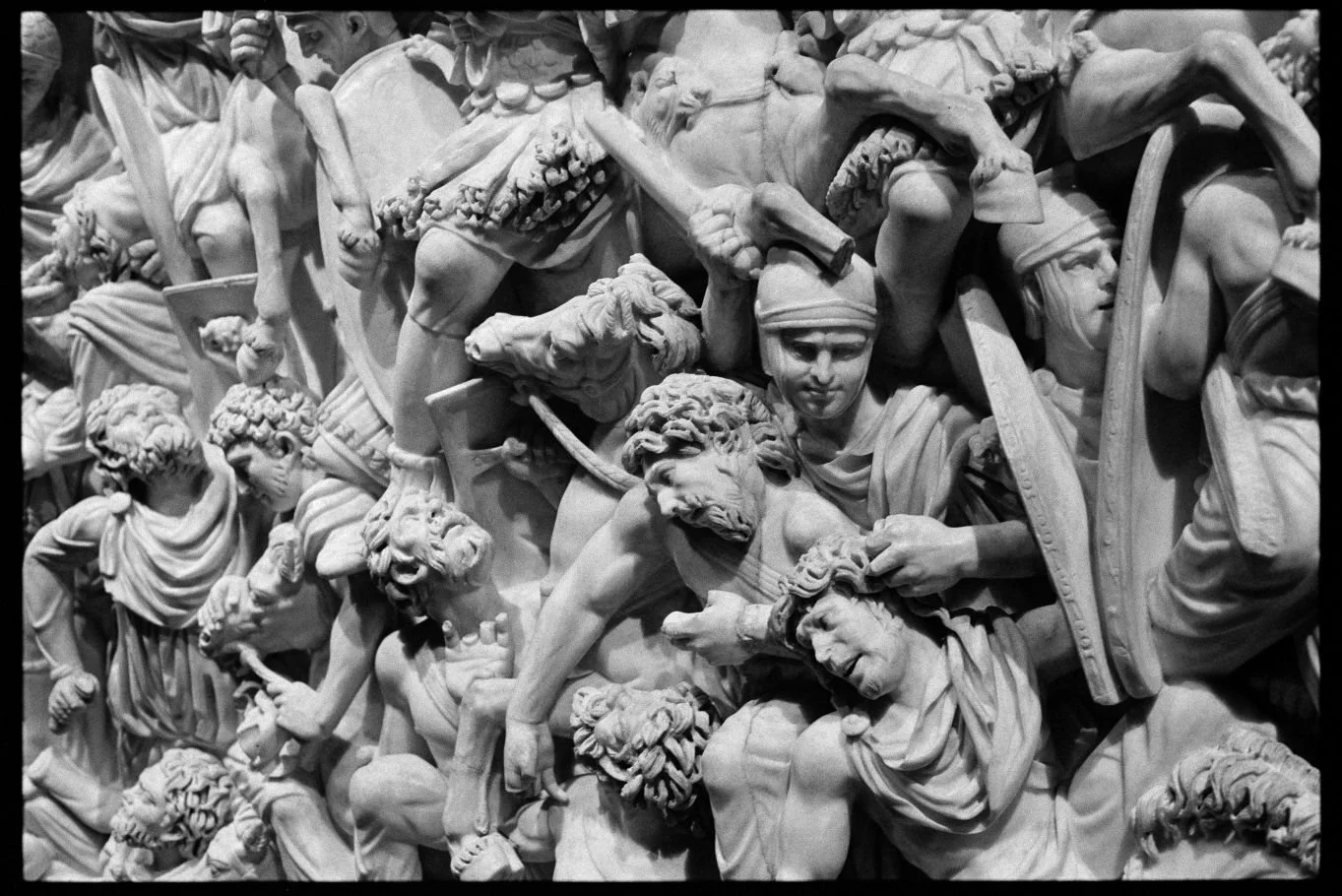
The Ludovisi Battle sarcophagus.
I said “welcome to Rome” back in 2016 when I greeted my friend in LaGuardia Airport in New York City. He thought that was a weird statement and then we went out to explore the city. However, I did have something serious in mind. I had experienced half of Manhattan by foot earlier that day and I was impressed: New York felt like the center of the world. After all, I had seen people from all over the world on my slow expedition through the city. All roads clearly led to this place. Well, ten years later, I actually went to Rome.
All roads also seemed to lead to Rome in 2026, but in a different way: it felt like the epicenter of tourism. I also encountered people from all over the world here, but they had not come to settle down like the folks in New York. No, they had come to take selfies. And that’s fine - I also took some myself. And although this might seem like a new phenomenon, Rome has been the goal of sightseers since the Renaissance when young aristocrats travelled through Europe on the Grand Tour. Experiencing the city they had read about countless times during their education and touching the ruins of its empire would ready them for their grown-up lives of power and privilege. And now it was my turn to go on this journey; not in a horse carriage but with a low-cost airline and instead of a princely suite I was to lay in a bunk bed.
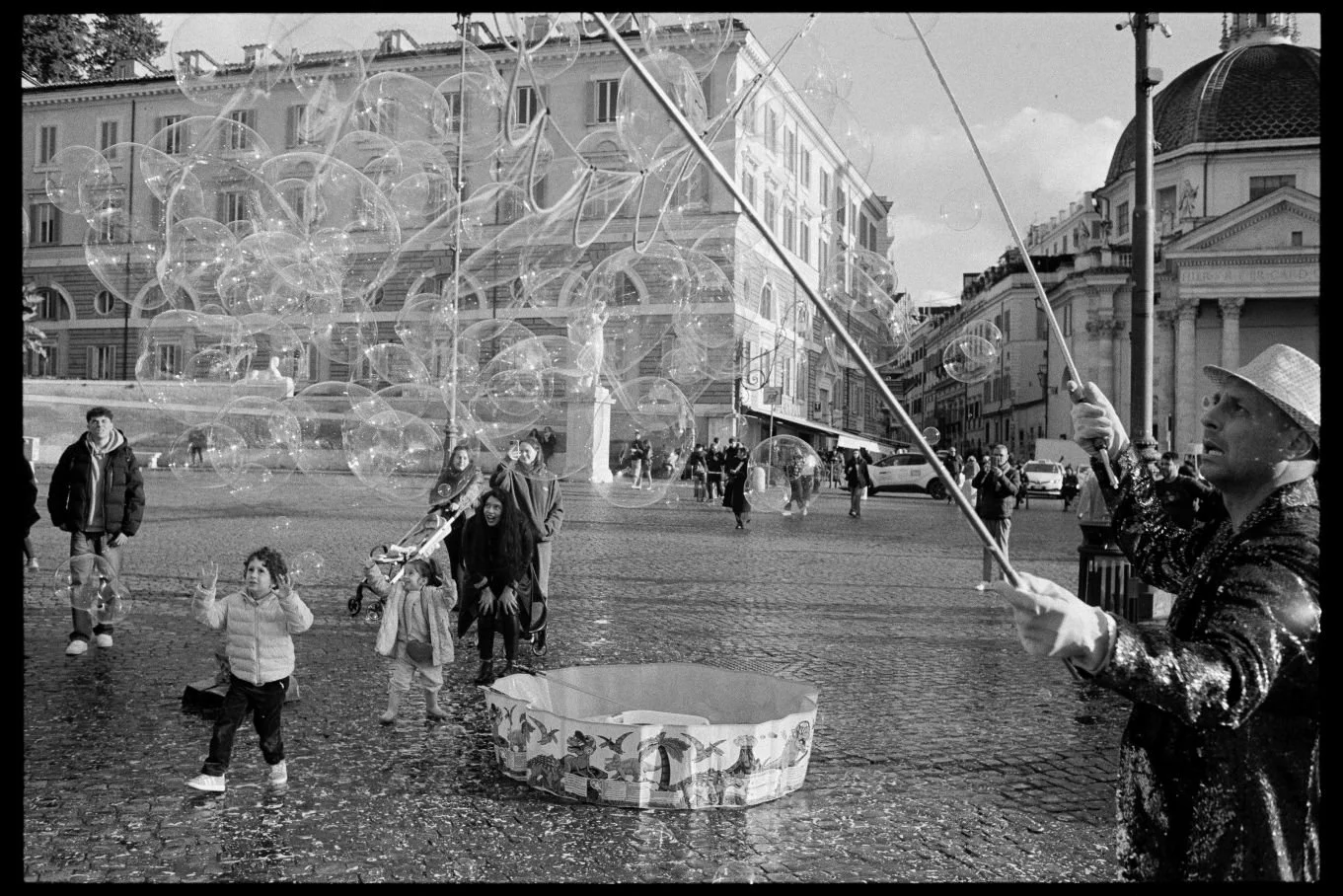
Locals at Piazza del Popolo - the name checks out.
I teach history and one of my favorite courses is the one I do on Ancient Greece and Rome. It’s not easy because few students understand the relevance in the beginning. And some also don’t get it at the end as I show them Ridley Scott’s “Gladiator” to wrap up the theme. God I love that movie. But now it was finally my turn to stand in the middle of the Flavian Amphitheatre where Maximus had defeated the cowardly Emperor Commodus way back near the zenith of the Roman Empire: the year 2000.
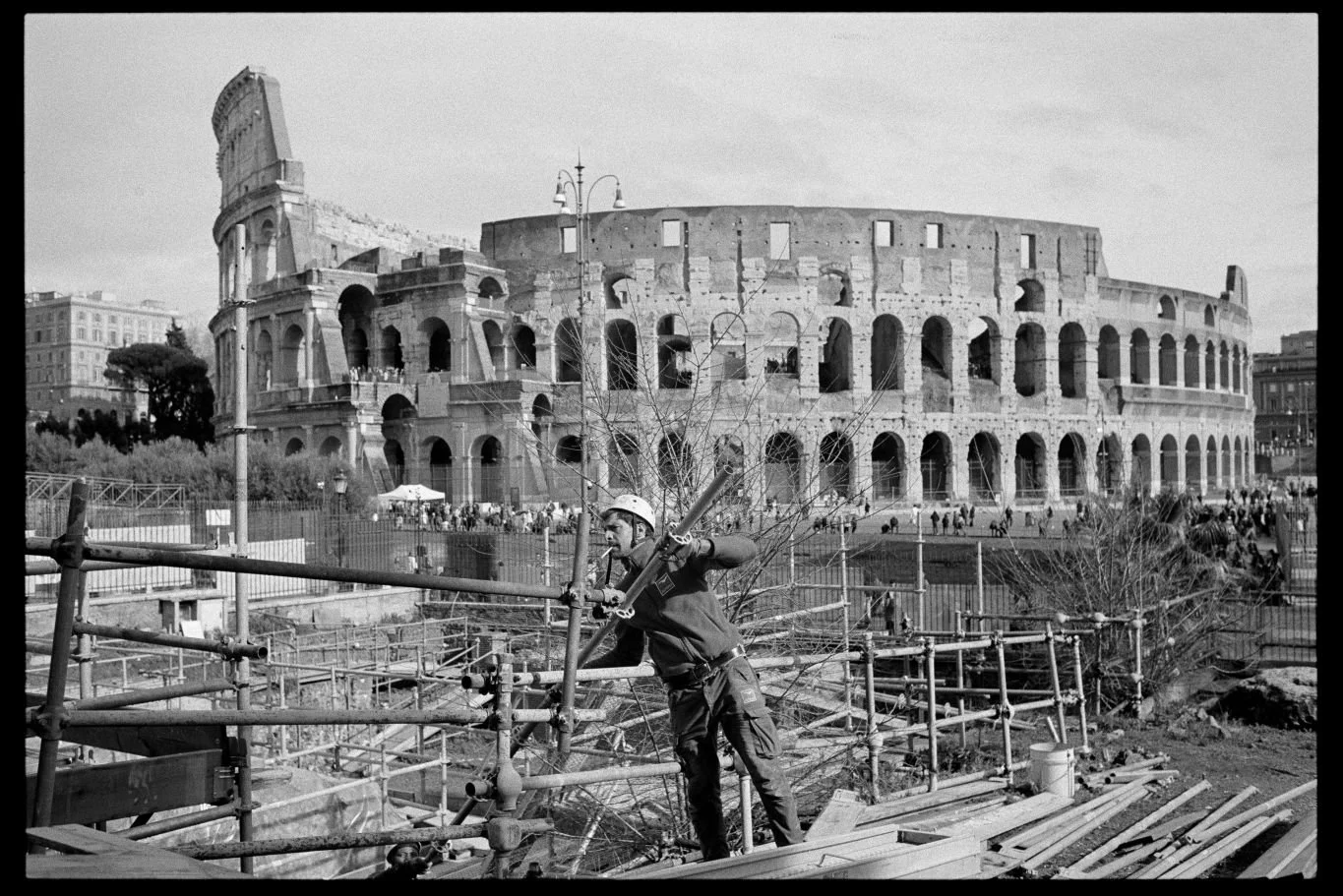
The Flavian Amphitheatre, named after the dynasty of emperors that built it, was finished in the year 80 but evidently some projects still await completion.
Finally being in Rome, the city I felt I knew so much about, was fascinating in itself, and seeing the Colosseum and the other ancient buildings lived up to all my expectations. But the most memorable experience was seeing the old pieces of chiseled marble that are scattered around the city.
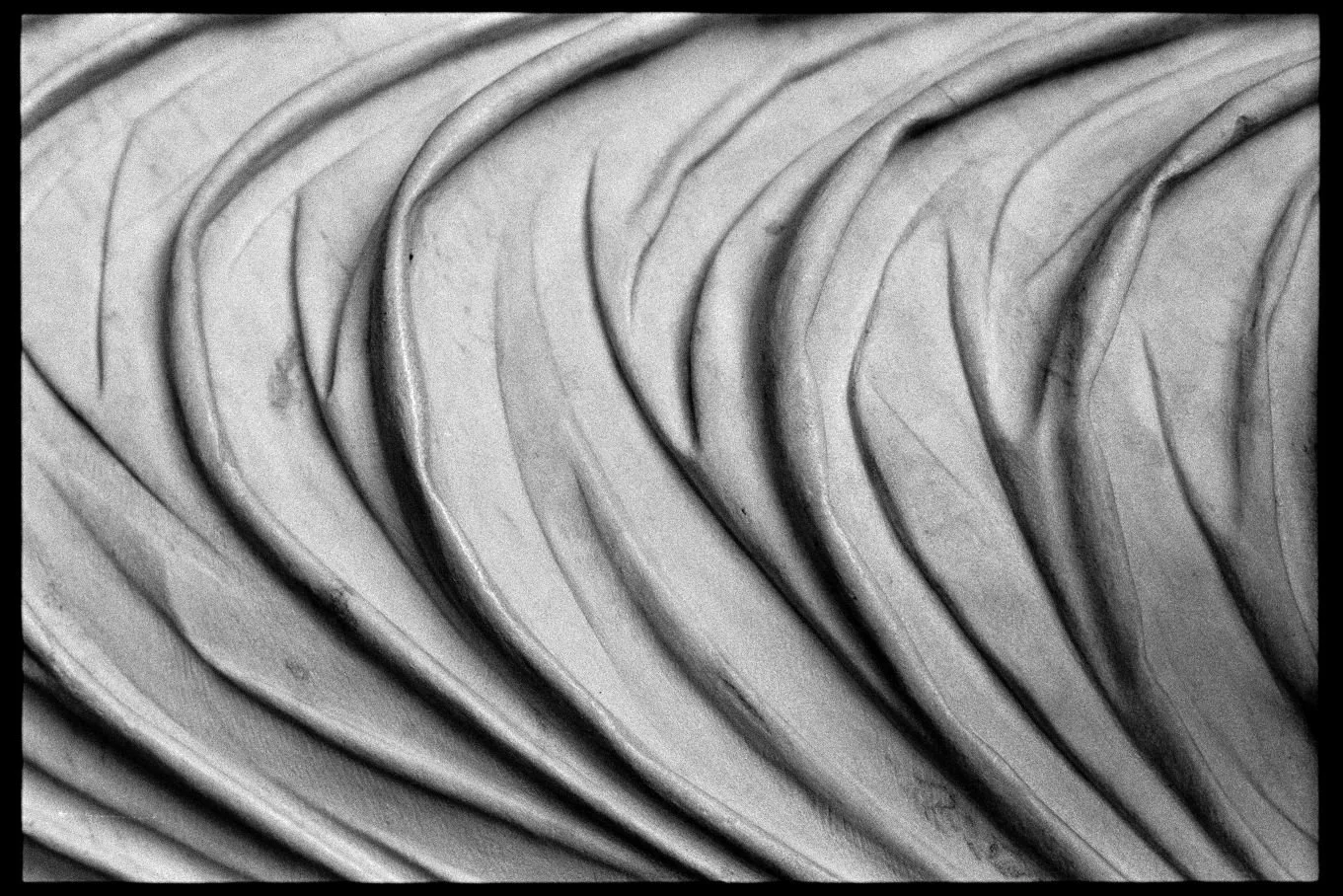
Detail shot of Augustus as Pontifex Maximus.
Approximately 2000 years ago, someone transformed a slab of Luna marble into flesh and draped textile with their bare hands and metal tools. The sculpturer had spent countless hours with this rock creating the impression of Augustus wearing a toga with soft folds. And now I stood admiring this work - just me and the marble. The statues of Rome offer the possibility of solitude and immersion that the greatest sights don’t. They’re quietly waiting for you in the museums.
Knowing the past and feeling it are two very different things. It’s quite easy to learn about the place by reading a book in the flight or listening to a podcast while walking around the city. But when surrounded by other travellers I have great difficulties feeling the place, the passage of time and imagining how different the world was been back then. I’m too busy trying not to bump in to someone’s selfiestick.
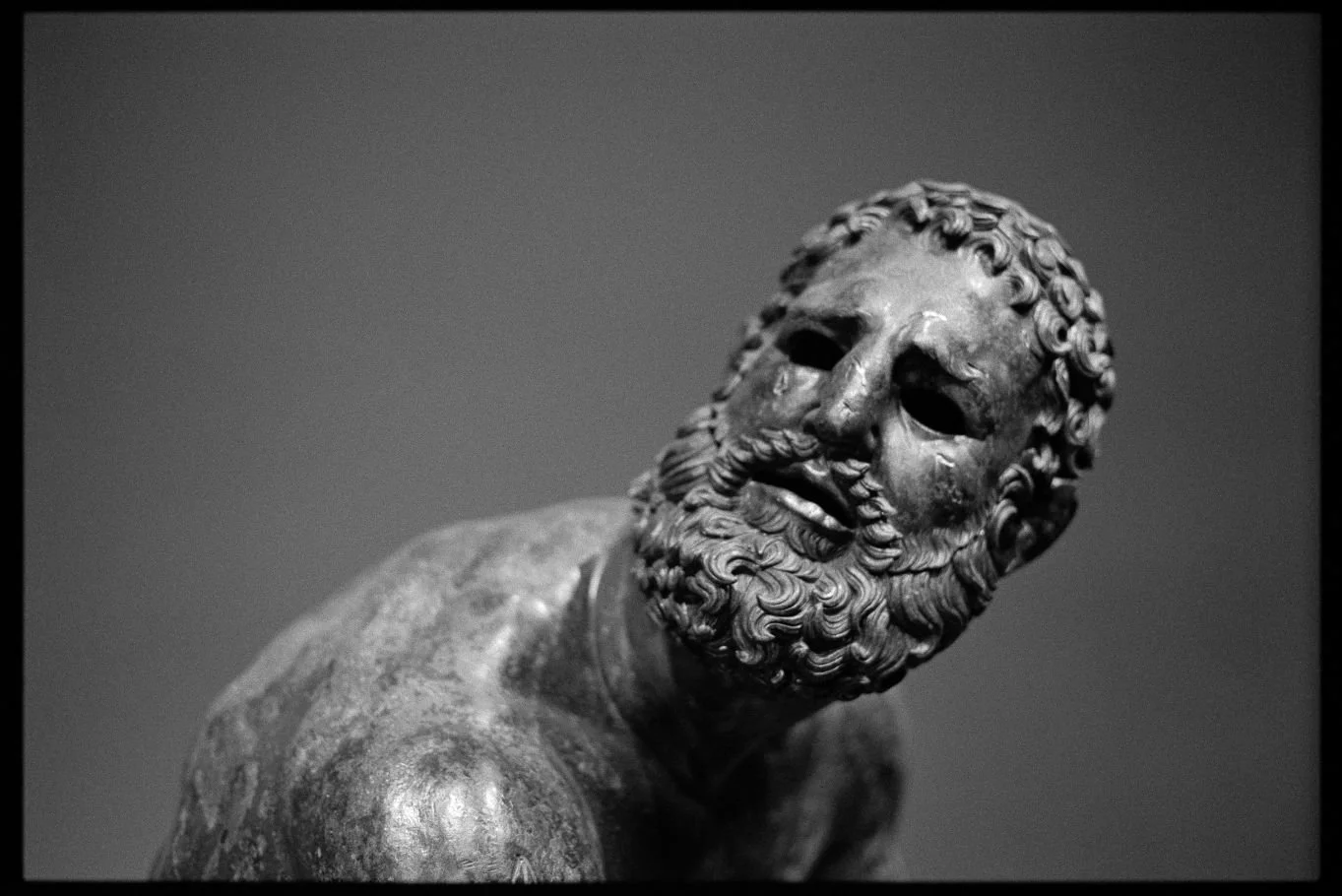
This guy, Boxer at Rest (I call him Jeremy), is waiting for someone to hang out with him at Palazzo Massimo.
As I toured the museums to hang out with my marble friends I began to understand, that the Romans had mostly just copied Greek statues. Except for the guy above, who is a Greek original and actually made out of bronze, almost all other statues are imitations. And thank God they’re around because most originals aren’t!